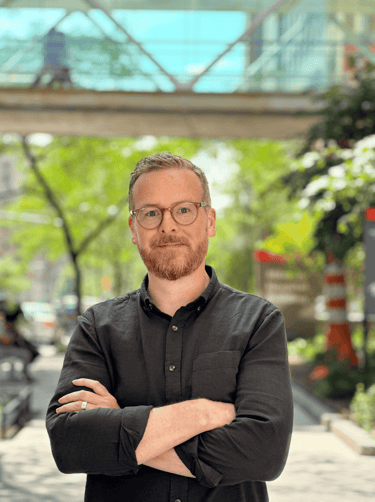

I am a theologian and ethicist. My interests and scholarly work engages theology and philosophy, medical ethics and humanities, and the world that technology is building around us. Four strands emerge from these efforts.
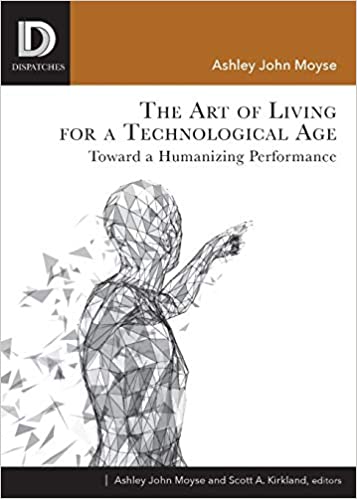
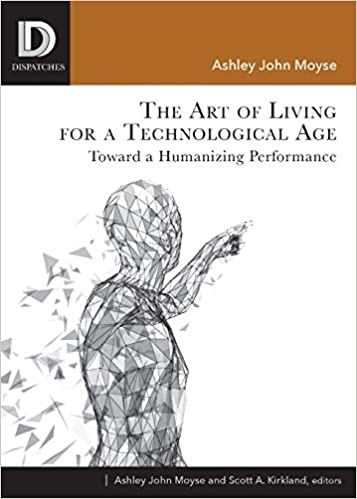
The first asks what happens to us when technology stops being a tool we use and becomes our world. My second book The Art of Living for a Technological Age (Fortress, 2021) argued that the real danger isn't any particular gadget but a slow reshaping of the imagination—a training in efficiency and control that quietly corrodes the attentiveness and vulnerability that make us persons. A new book project, Formed Otherwise (for McGill-Queen's University Press), pushes the argument into the architecture of a world we can no longer step outside of, drawing on Ursula Franklin, phenomenology, and the Christian moral tradition. A parallel set of articles, written with colleagues, asks what all of this is doing to physicians.
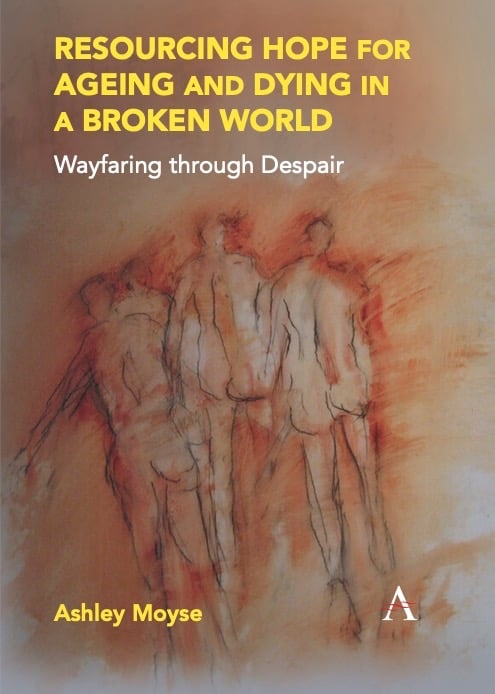
The second thread concerns the ethics of the sickly body—the phenomenology of illness, frailty, and dying as moral experiences in their own right. Resourcing Hope for Ageing and Dying in a Broken World (Anthem, 2022), my third book, reflects a significant contribution to this strand, while taking the existential gravity of pain, burden, and despair seriously without surrendering to it. Current essays press further on the beauty of aged bodies in a culture besotted with youth, on the tragic shape of clinical encounters with suffering, and on the ethics of medical assistance in dying in Canada, where the ground is shifting beneath our feet.
The third strand concerns the moral formation of healthcare professionals and the ways institutions can deform as easily as form medical workers. Building the Character Cooperatives at Columbia University's medical school (2022 - 2025) gave this abstract question daily, practical texture.
A fourth strand wonders what a theological phenomenology of illness looks like—one that takes seriously how suffering opens onto meaning, community, and transcendence? An invited keynote and book chapter for a Bavarian research centre on inter-religious perspectives on health mark its first steps.

publications
and scholarly efforts
For opinions and advice writings, click on the links for my opinions at Sojourners or Broadview.
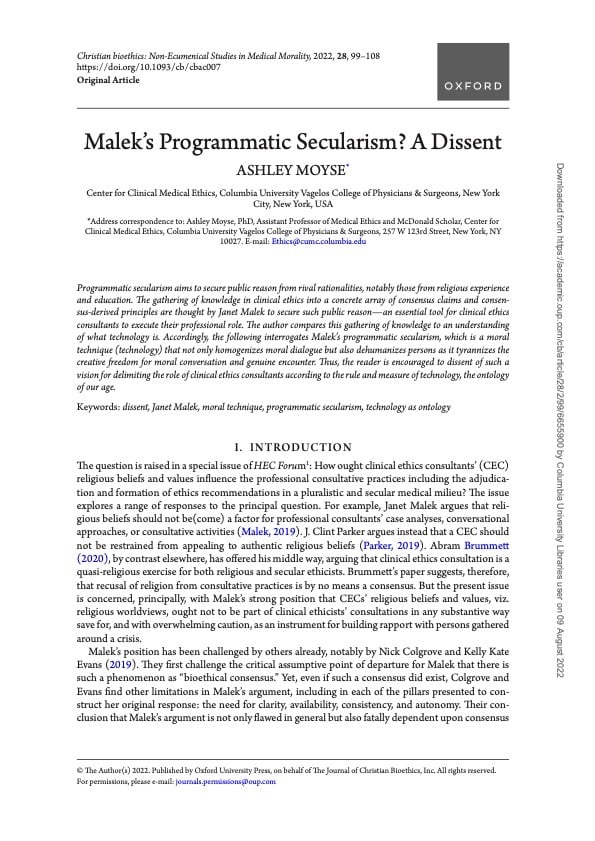
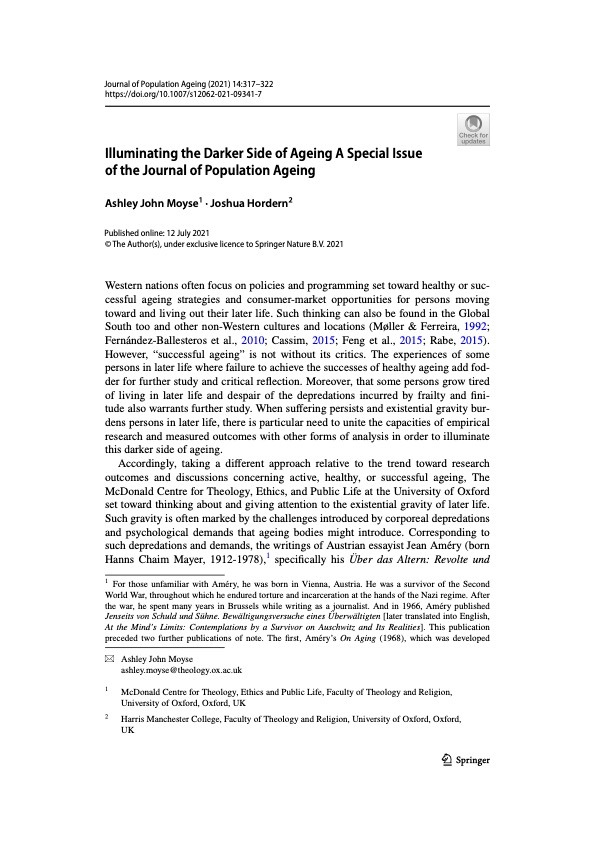
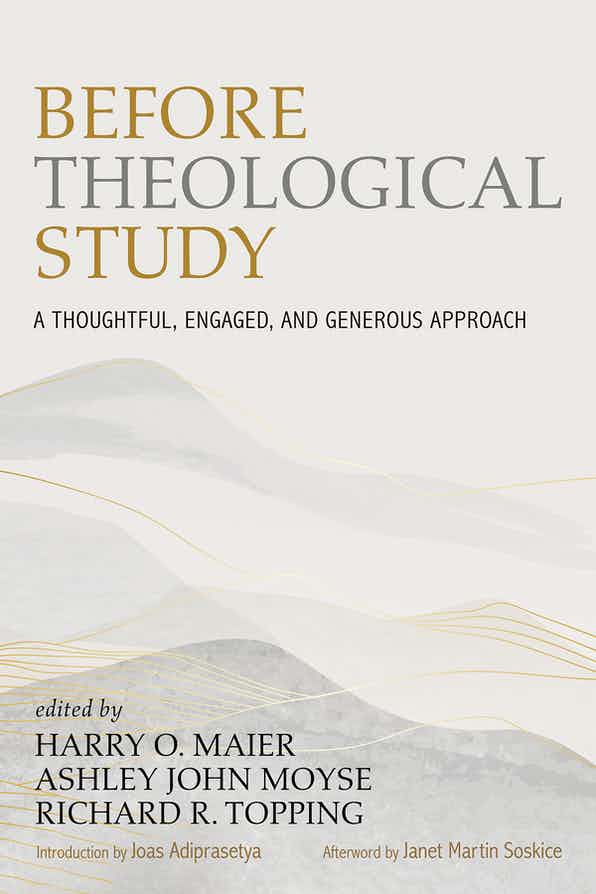
For a selection of my scholarly publications, including journal articles, book chapters, monographs, and edited books, see the following:
Forthcoming:
(Accepted for publications October 2026) with Elisabeth van Vliet, Renske Kruizinga, and Els van Wijngaarden, "Unravelling the tragic in high-tech healthcare: a conceptual lens," Medicine, Health Care and Philosophy, forthcoming 2026/7
(Accepted for publication September 2026) with Jordan Mason and Kyle Karches, “The physician as innovator? Professional identity and practice amidst technological advances,” Perspectives in Biology and Medicine. forthcoming 2027
(Accepted for publication May 2026) with Carl Hildebrand, Carl. "Physician Restoration after Medical Ettor: A Philosophical Account of Atonement in Professional Life." Journal of Medicine and Philosophy, forthcoming 2027
"Experiencing and Interpreting Illness in the Christian Traditions." For The Concept of Illness in Judaism, Christianity, and Islam, forthcoming 2028 (edited by Georges Tamer et al., Walter de Gruyter)
For McGill-Queen University Press: Formed Otherwise: Confinement, Confession, and Counterformation in the House that Technolology has Built (Contracted, forthcoming 2028)
FORMED OTHERWISE takes up a deceptively simple problem: what technology does to human beings when it ceases to be a tool and becomes a world from which we cannot step outside. Ursula Franklin called it the house that technology has built, and the image still holds. Its walls are not mostly made of devices. They are made of the protocols, checklists, decision trees, and quality metrics that now organise how most of us work and live. Consider a physician: once she examined her patient through open-ended attention and accumulated judgment, cultivating the intellectual and moral excellences of her craft. Now she moves through a standardized protocol in which each step is predefined and deviation is discouraged. Her eyes go to the screen, her hands to the checklist, and her body anticipates the next required step. Compliance is no longer what she does; it is what her body has learned. FORMED OTHERWISE names this formation by identical repetition and argues that what it unmakes can be remade. Drawing on philosophies of place and architecture, critical race theory, and theology (especially Catherine Pickstock's writings), the book proposes that embodied practices of non-identical repetition—repeated, but responsive to the particular—offer a way of dwelling otherwise within the house we cannot leave.


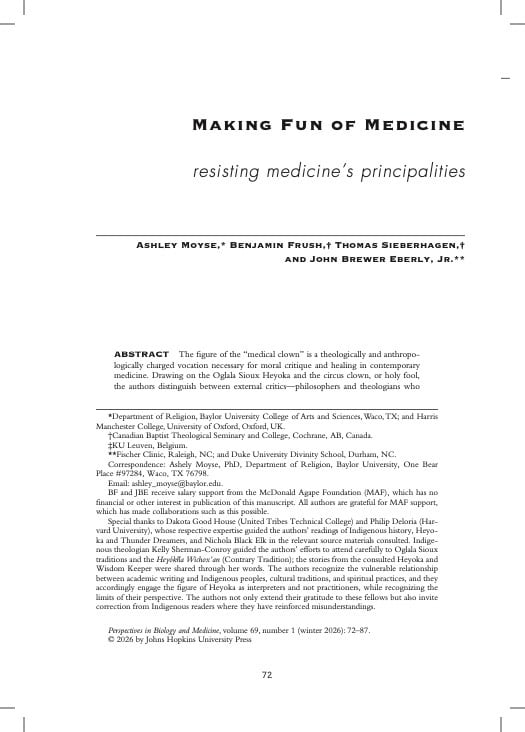
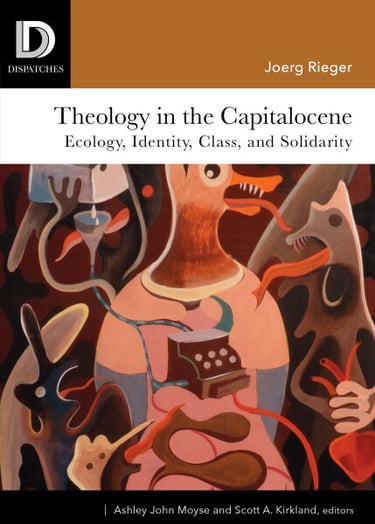
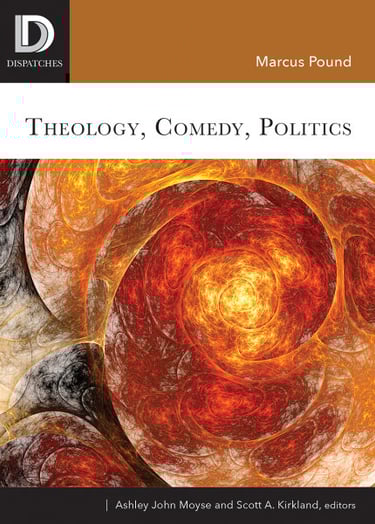
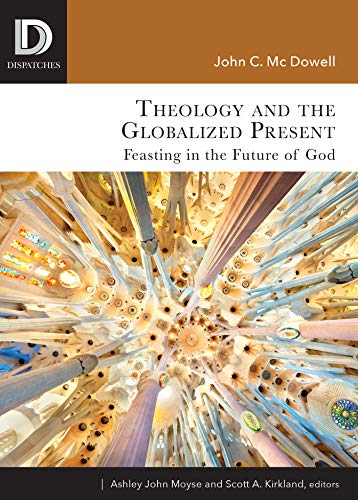
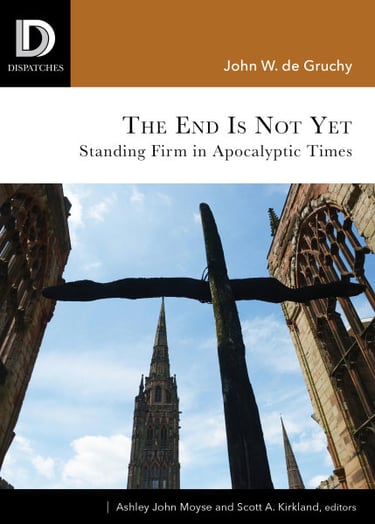
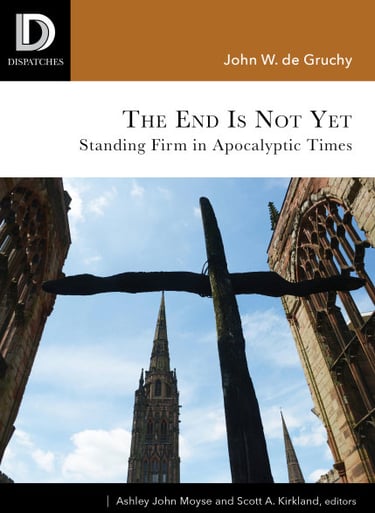
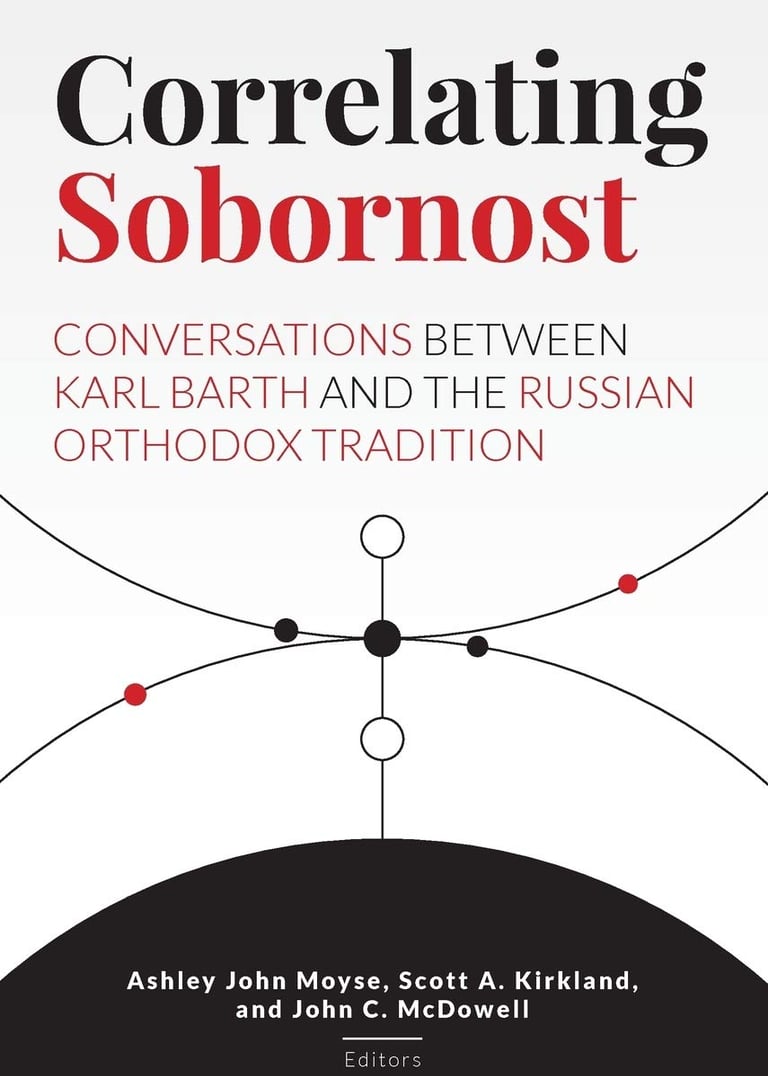
Dispatches is a series I co-edited with Rev Dr Scott Kirkland, who is the John and Jeanne Stockdale Senior Lecturer in Practical Theology and Ethics at Trinity College Theological School, Melbourne, Australia. The series authors illuminate and explore, creatively and concisely, the implications and relevance of theology for the global crises of late-modernity.

About
I am a Canadian (born and raised in Estevan, Saskatchewan) whose scholarly work tends to be found at the intersections of theology, philosophy, and medicine/health care. At present, I am the Associate Professor of Bioethics in the Department of Religion at Baylor University. I am concurrently a Research Fellow at Harris Manchester College, University of Oxford, a Research Associate at Vancouver School of Theology, and a Fellow with the James M Houston Centre for Humanity & the Common Good at Regent College.
Previously, I was the Assistant Professor of Medical Ethics and McDonald Scholar in the Center for Clinical Medical Ethics (directed by Dr Lydia Dugdale) at Columbia University Vagelos College of Physicians & Surgeons in NYC. At Columbia I was the intellectual curator and director of the Columbia Character Cooperatives (medical students) and the co-director with Dr Beatriz Desanti de Oliveira of the Character and Clinical Ethics Pathway (internal medicine residents), which were both novel educational programming in ethics education and professional/ moral formation. I also had the privilege to serve as the McDonald Postdoctoral Fellow in Christian Ethics and Public Life with the McDonald Centre for Theology, Ethics and Public Life at the University of Oxford, where I was a senior member of Christ Church College as well as the humanities and healthcare fellow with a Wellcome Trust ISSF funded project, 'Advancing medical professionalism: integrating humanities teaching in the University of Oxford's medical school'. In addition to these roles, my academic background includes training in theology, bioethics and health policy, and applied physiology (a field of study that allowed me to teach human anatomy, physiology, and other related courses at the University of the Fraser Valley in the Faculty of Health Sciences from 2005 to 2016).
I owe a great deal to those scholars who've invested their time and energy into my academic formation, including Professors John C McDowell, Terry Lovat, Archie Spencer, Cad Dennehy, Carole Schneider (1950-2013), Douglas Miller, Ron Dart, Richard Topping, Ross Hastings, Jens Zimmermann, Nigel Biggar, and Joshua Hordern.